

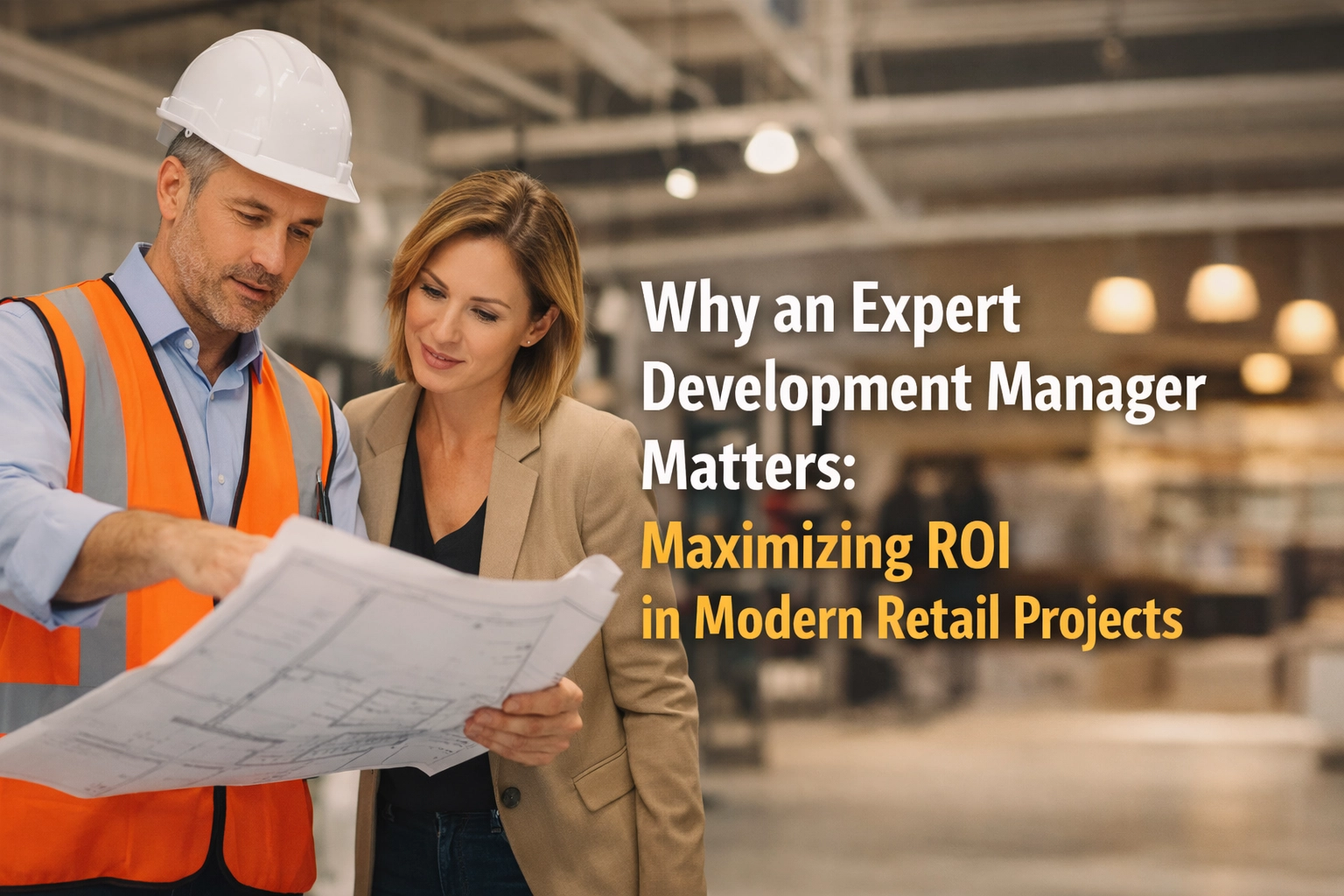
Modern retail projects require high levels of coordination and technical knowledge. A professional development manager oversees the lifecycle of a property asset. This oversight ensures that the project aligns with commercial objectives. The primary goal is to maximize the Return on Investment (ROI) for stakeholders.
The Role of a Development Manager in Retail
A development manager acts as the central point of contact. They manage the project from the initial concept to the final handover. Their responsibilities include feasibility studies, site selection, and team assembly.
The retail sector faces specific challenges. These include changing consumer habits and high operational costs. An expert manager mitigates these risks through strategic planning. They ensure the physical structure supports the commercial activities within.
Key functions include:
- Establishing project objectives.
- Coordinating consultants and architects.
- Managing stakeholder expectations.
- Monitoring market trends.
For more information on these functions, visit our Development Management page.
Maximizing ROI Through Strategic Planning
ROI in retail is sensitive to timing and cost. A delay in opening results in lost rental income. An expert manager creates a realistic timeline. They monitor progress daily to prevent slippage.
Financial discipline is essential. The manager tracks every expenditure against the budget. They identify areas where costs can be optimized without reducing quality. This approach preserves the project's profit margin.
Data-driven decision-making is a core component. The manager analyzes foot traffic projections. They evaluate local demographics. This data informs the layout and design of the shopping center. A well-designed space attracts high-quality tenants. High-quality tenants ensure long-term revenue stability.

Construction Project Management Services
Efficient construction is the foundation of a successful retail project. Construction project management services provide the technical expertise needed to execute a build. These services focus on quality control and safety.
Professional managers oversee the tender process. They select contractors based on track record and financial stability. This selection process reduces the risk of contractor insolvency or poor workmanship.
Project managers also handle:
- Contract administration.
- Procurement strategies.
- Quality assurance protocols.
- Site safety inspections.
Integration between development management and construction management is vital. This integration ensures that the build phase supports the ultimate commercial goal. You can view our approach to this at Project Management.
The Importance of Superintendent Services
A superintendent acts as an independent intermediary. They manage the contract between the developer and the builder. Superintendent services are critical for maintaining the integrity of the construction contract.
The superintendent issues instructions and payment certificates. They assess claims for extra time or additional costs. This role requires an objective and professional persona. A fair superintendent prevents disputes and keeps the project moving forward.
Key tasks of a superintendent include:
- Evaluating progress claims.
- Certifying practical completion.
- Managing the defects liability period.
- Resolving contractual disagreements.
Detailed oversight by a superintendent protects the developer from overcharging. It ensures that the builder meets all technical specifications. Learn more about our Superintendent Services.
Financier Representation and Risk Mitigation
Large-scale retail developments often involve significant debt funding. Lenders require assurance that their capital is safe. Financier representation provides this assurance.
An expert representative monitors the project on behalf of the bank. They verify that funds are being used for their intended purpose. They provide independent reports on project status and financial health.
This role includes:
- Reviewing construction budgets.
- Verifying work completed before fund release.
- Monitoring compliance with loan covenants.
- Assessing project risks for the lender.
Proactive representation reduces the lender's risk profile. It ensures a steady flow of capital to the project. This stability is essential for maintaining the construction schedule. Information on these services is available at Financier Representation.

Site Acquisition and Market Analysis
The success of a retail project starts with the site. The development manager leads the acquisition division efforts. They identify locations with high growth potential.
A thorough analysis includes:
- Zoning and land-use regulations.
- Accessibility and transport links.
- Proximity to competitors.
- Future infrastructure developments in the area.
Acquiring a site at the right price is fundamental to ROI. The manager negotiates terms that favor the developer. They conduct due diligence to uncover hidden costs like soil contamination or heritage listings.
Strategic site acquisition sets the stage for a profitable project. Explore our Acquisition Division for more details.
Operational Efficiency and Tenant Strategy
Retail projects must be functional for the end-user. The development manager works with leasing agents to create a tenant mix. A diverse mix of stores creates a resilient shopping destination.
Efficiency extends to the building's operations. The manager oversees the design of loading docks and waste management systems. They ensure the building's services, such as HVAC and lighting, are energy-efficient. Lower operating costs make the property more attractive to tenants.
Operational planning includes:
- Designing for optimal customer flow.
- Planning for future expansions.
- Implementing sustainable building technologies.
- Coordinating tenant fit-outs.
Managing Complex Stakeholder Relationships
Retail developments involve many parties. These include government bodies, local communities, and utility providers. A development manager navigates these relationships.
They manage the planning approval process. This involves negotiating with local councils. They address community concerns to prevent legal challenges. Effective communication keeps the project on track and maintains the developer's reputation.

Protecting Value Through Quality Control
Quality control is a continuous process. It begins in the design phase and continues through construction. The development manager ensures that the final product matches the initial vision.
Poor quality leads to high maintenance costs. It can also deter premium tenants. Professional management ensures that materials and finishes meet high standards. This focus on quality future-proofs the asset.
Risk Management in Retail Projects
Risk is inherent in property development. An expert manager identifies risks early. They develop mitigation strategies for each identified risk.
Common risks include:
- Regulatory changes.
- Cost fluctuations in building materials.
- Interest rate increases.
- Changes in retail market demand.
A structured risk management plan protects the project's ROI. It provides a roadmap for responding to unforeseen challenges.

The Jinton Advantage
Jinton provides comprehensive management services for retail projects. Our team has extensive experience in the Australian market. We prioritize transparency and objective decision-making.
Our services cover every aspect of the development process. This includes acquisition, project management, and superintendent roles. We focus on delivering projects that meet financial and operational targets.
Browse our past work on the Projects Page to see our track record.
Conclusion
Expert development management is a necessity for modern retail projects. It ensures that every decision contributes to the project's ROI. From site acquisition to financier representation, professional oversight mitigates risk and drives value.
Investors and developers benefit from a structured, professional approach. This approach leads to higher quality builds and more sustainable commercial outcomes.
To discuss your next retail project, visit our Contact Us page.